
Where is thy sting?
In a resplendent pair of back-to-back San Francisco concerts, music by Mozart and David Lang tried to make peace with death

“Well, that’s two nights in a row of contemplating death,” murmured a friend from the row behind me on Friday night, as we, along with everyone else in Herbst Theatre, slowly tried to reassemble ourselves after the soul-shattering experience of David Lang’s suicide-themed note to a friend. The previous night, by chance, the two of us had both been in Davies Symphony Hall to hear guest conductor Manfred Honeck lead the San Francisco Symphony through his own version of Mozart’s unfinished Requiem. So yes, we had the Grim Reaper on the brain.
Death, of course, is always with us — if not in the actual room then just ahead, lurking around some indeterminate number of blind turns. It is, by certain reckonings, the one thing that gives our lives meaning, purpose, shape — or so it can seem, in certain forgivingly contemplative circumstances. In these days of accumulated carnage, though — when the world’s most heedless and malignant actors are racing to maximize the sheer scale of mortality that they can inflict not only on their putative enemies but on their fellow citizens — death can come to seem less like a private rite of passage than like part of an ongoing process of mass slaughter.
It was something of a relief, then, to come face-to-face again with death in its more modest guise, the one in which it comes for an individual and leaves other people alone for the moment. The Requiem is about a single demise, be it the anonymous honoree for whom it was supposedly commissioned, or Mozart himself, who died before completing the score, or the late Joshua Robison, the Symphony’s beloved longtime “first gentleman,” to whom the weekend’s performances were dedicated. The death of the unnamed soon-to-be-suicide in the stunningly beautiful note to a friend, performed by vocalist Theo Bleckmann and the Attacca Quartet is, if anything, even more private — a silent exit, engineered alone in a room with a bellyful of barbiturates.

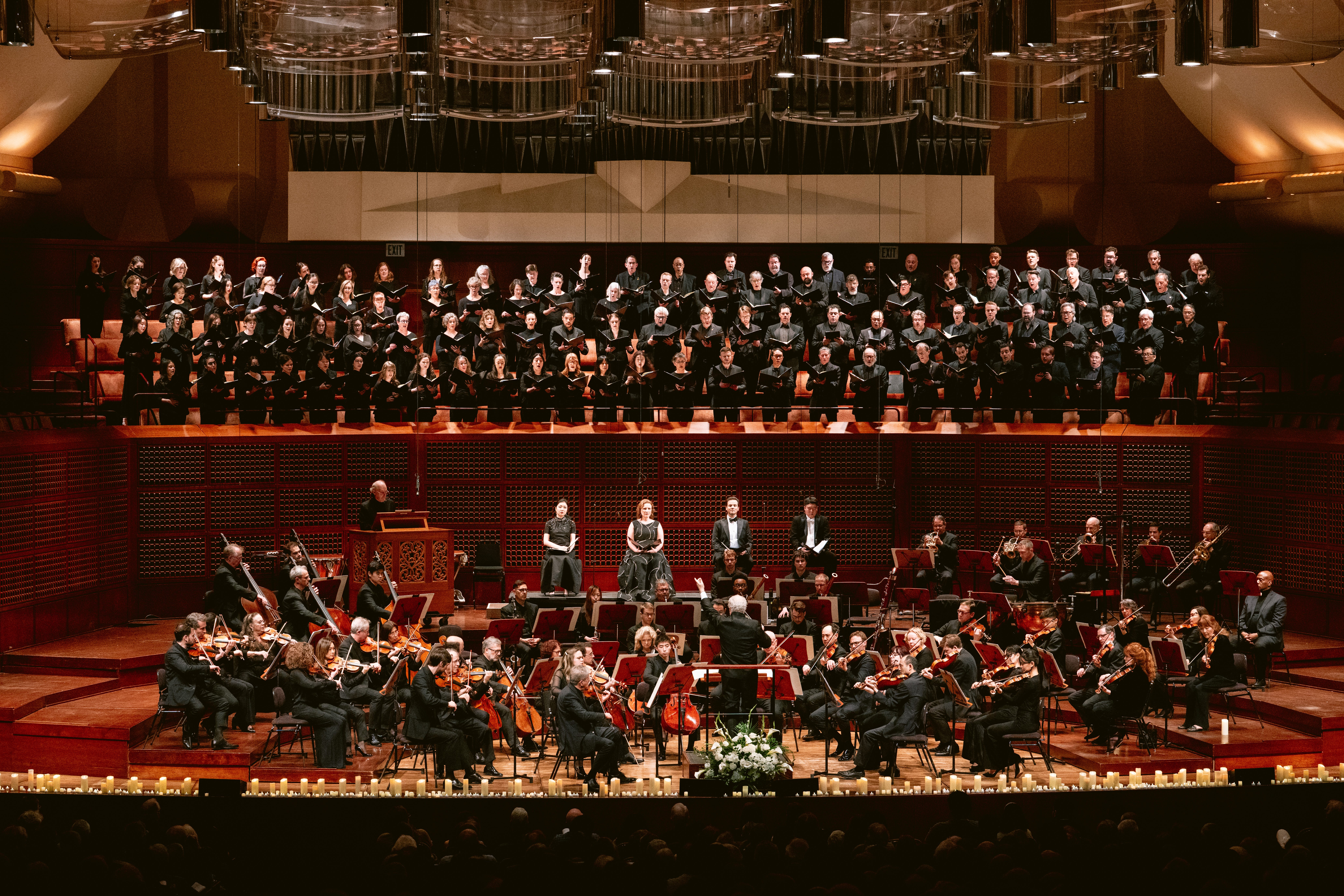
What do we make of either of these encounters with the unknown? A requiem is by definition a public affair, and for this performance Honeck embedded the score in a sort of imagined version of Mozart’s own funeral (of whose real-life counterpart we know little or nothing). He restricted the proceedings to the music Mozart himself had written, omitting the completion by one or more of the composer’s students that is usually included in a performance. When he reached the relevant point in the repeat of the Lacrimosa, the music gently ceased as if the work itself were giving up the ghost.
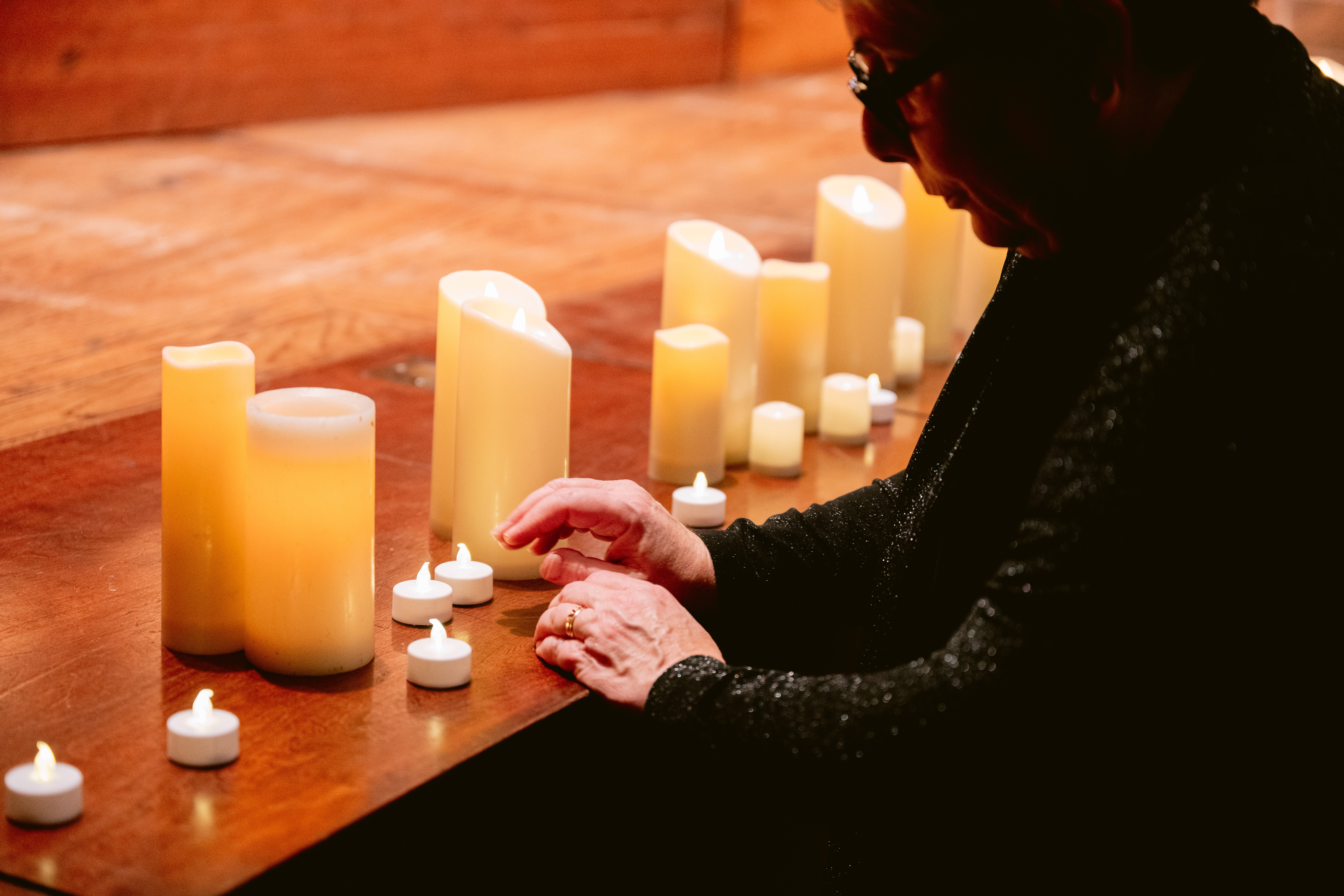
Honeck added other adornments into the mix. Patrons were invited to place electric candles at the foot of the stage in honor of Robison or anyone specially significant to them. There were funerary bits of Gregorian chant, and readings from the Book of Revelation and the Holocaust-era poetry of Nelly Sachs. There were brief selections from other music by Mozart, including, most stirringly, the tiny choral motet Ave verum corpus — one of the composer’s final creations — which in the Symphony Chorus’s luminous performance under director Jenny Wong sounded ethereal and almost completely disembodied. It included a reading from Mozart’s final letter to his father, offering consolation in the face of the old man’s impending death.
I’m not persuaded that either the overall framing or the individual additions contributed much of importance to the program, but the musical execution was so magnificent that it hardly mattered. The vocal soloists, led by soprano Ying Fang and mezzo-soprano Sasha Cooke, brought insight and sensitivity to their individual assignments. The Chorus sang with gusto and tenderness. The orchestra brought vigor and heft to even the most translucent passages, and trombonist Chase Waterbury rang out with oracular clarity in the Tuba mirum.
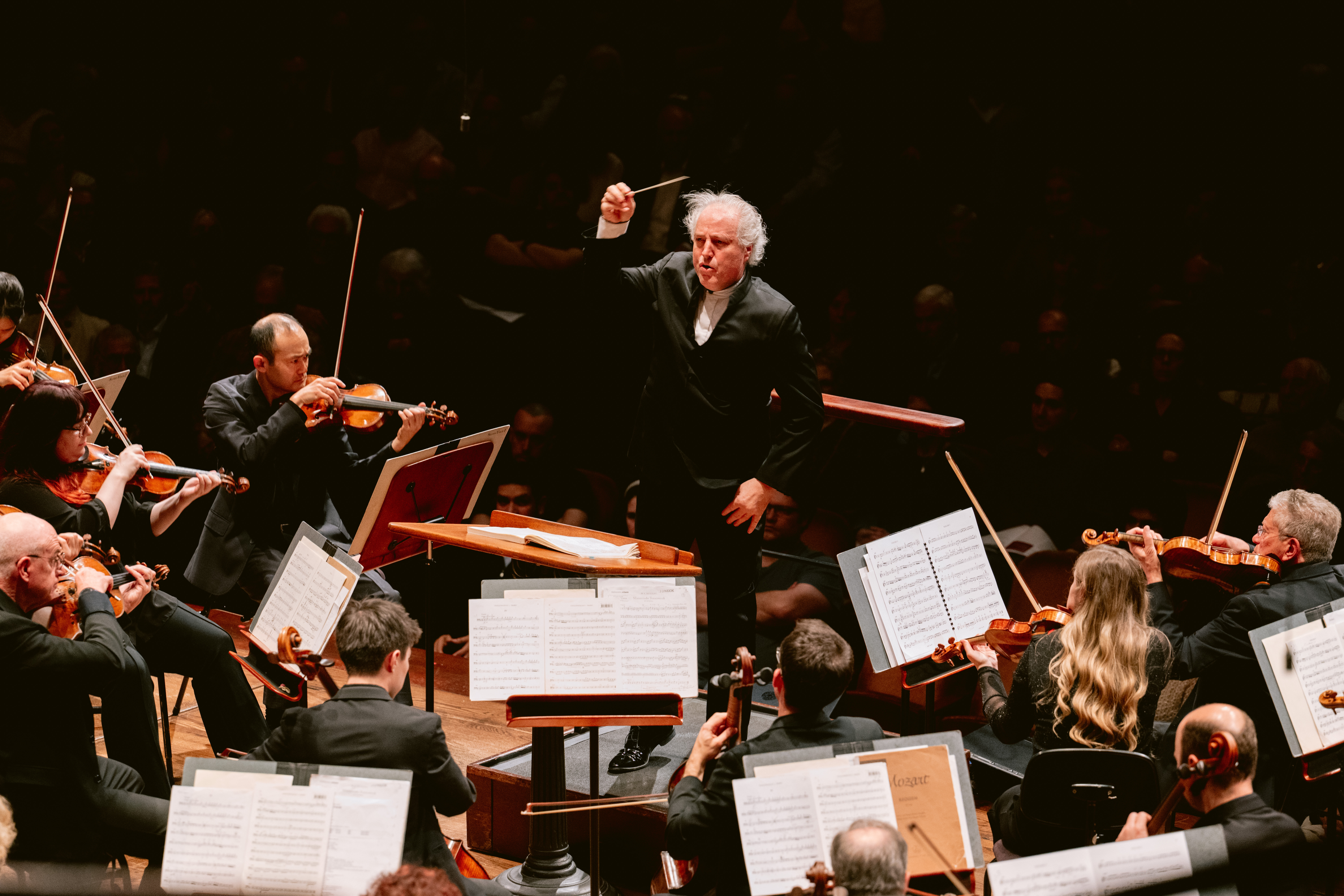
The evening’s greatest revelation, though, was Honeck himself, who in his previous visits to San Francisco has been inconsistent — sometimes authoritative, sometimes unsteady in programming or execution. This appearance was by far his most impressive to date — not only in the Requiem, but during an astonishing first half devoted to Beethoven’s Coriolan Overture and Haydn’s Symphony No. 93. The Beethoven rolled out of the gate sleek and hard, in a rendition that made heavy emphasis into an expressive resource. In what may be the most underrated of Haydn’s “London” symphonies, Honeck combined that same streamlined weightiness with sharp-edged textural clarity; the music moved swiftly from here to there without so much as a smudged note or a blurred melodic phrase. It was tremendous.
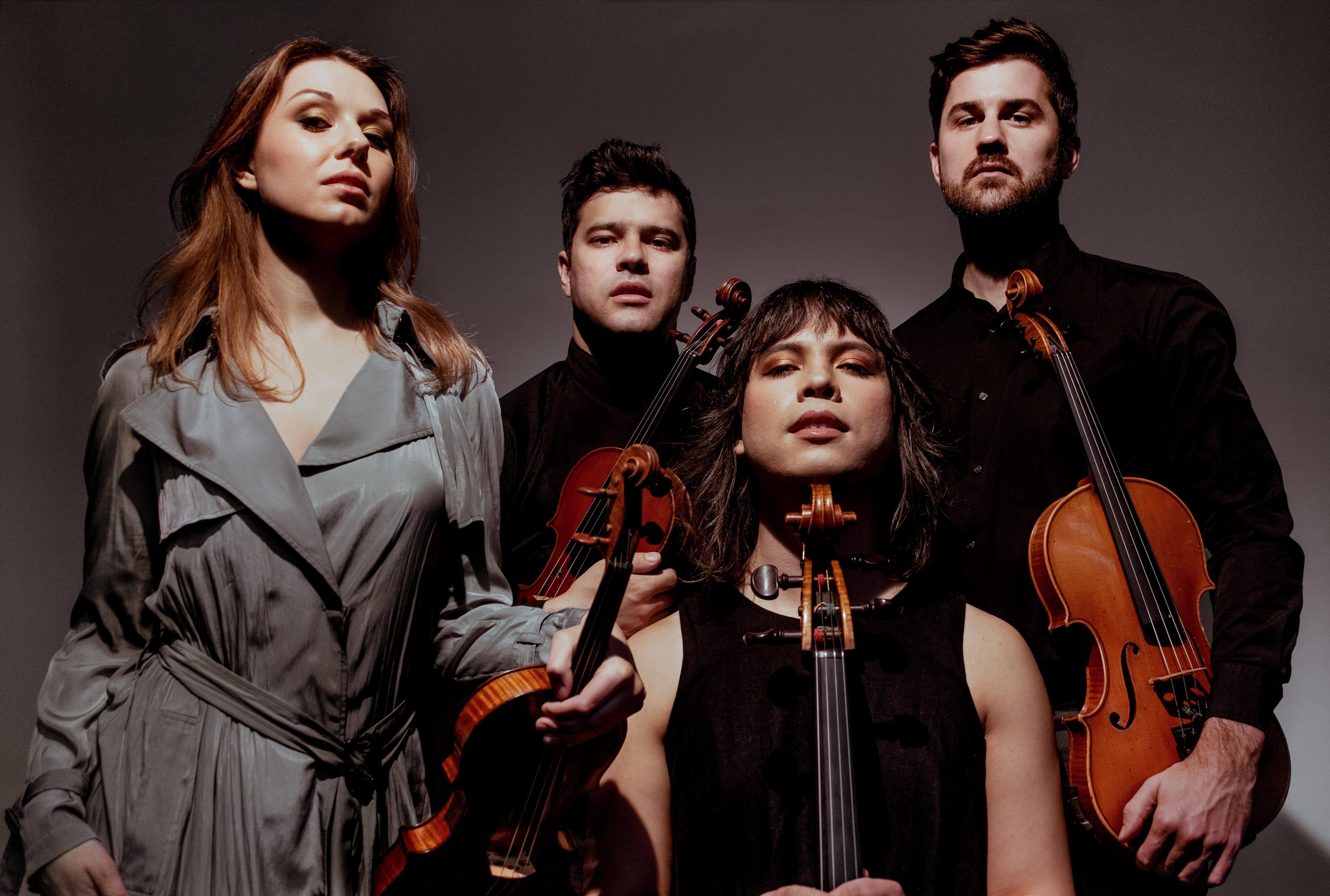
If Honeck and the Symphony took to their assignment in full technicolor, the following night’s program — part of the Attacca’s ongoing residency with San Francisco Performances — was shadowy, haunting, and darkly witty. Lang’s 50-minute work draws on the legacy of the Japanese writer Ryūnosuke Akutagawa, probably best known to American readers for the short story “In a Grove,” which later became the basis of the 1950 Kurosawa classic Rashomon. Akutagawa killed himself in 1927 at the age of 35, leaving behind a document titled A Note to a Certain Old Friend that outlined his thoughts on the subject, including his not-very-clear motivations and his painstaking research into the optimal method for carrying out his plan.
Lang’s text adapts that note, along with others of Akutagawa’s writings, to blur any concrete biographical or literary references and turn the narrator into a fictional figure, at once faceless and particular. He is poignant, confident, self-pitying, and often quite funny, and Bleckmann caught all those qualities with the dexterity of a true singing actor.
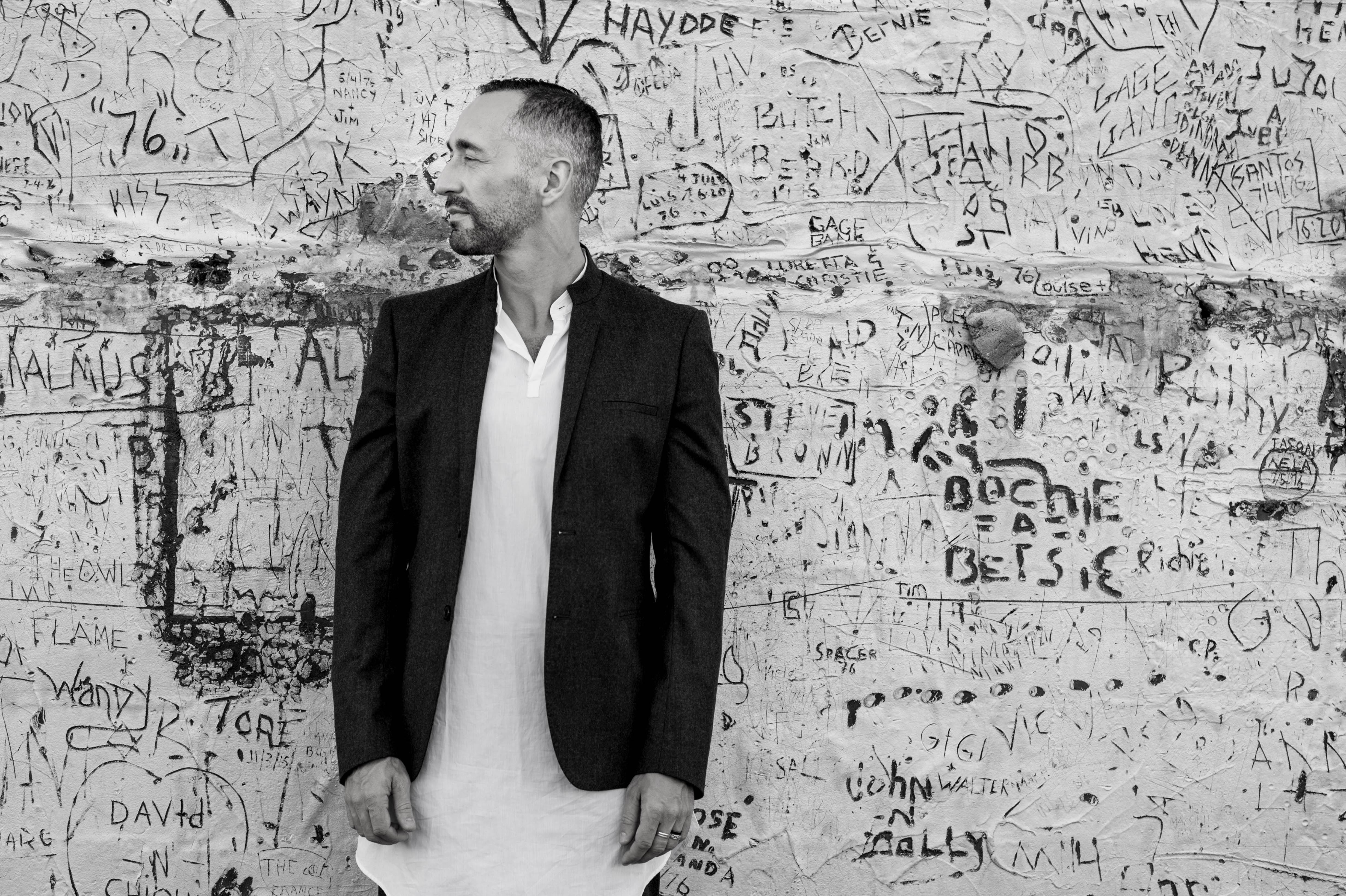
The music, though, is declamatory rather than melodic. The style of note to a friend shares a considerable amount of DNA with that of Lang’s Pulitzer Prize-winning choral masterpiece the little match girl passion. The string quartet offers repetitions of a small music motif — a rising tetrachord, a juxtaposition of simple harmonies — while the vocalist intones spare musical lines that are shapely without being exactly tuneful. Often a phrase will begin with an upward leap of a fifth or more, then glide downward through loops and curlicues like a vulture surfing the thermal updrafts. This is music designed to highlight a verbal text, and it’s impossible to miss so much as a word. Yet the writing for quartet never takes a back seat; it props up the text, nudges it, guides it on its travels. There’s an amazing level of virtuosity in every measure.
The protagonist of note to a friend tells us right up front that he is one of the “people who kill themselves,” and his imminent suicide remains front and center throughout the piece. Yet Lang and the performers bring him to life with such vivid, idiosyncratic specificity that his absence begins to grow more and more unbearable. We start to imagine an alternate reality, in which he lives on and writes more. (Near the end, he suggests teasingly that “it is always possible that I died a natural death.”) We know better, of course. As the piece concludes, the man slips suddenly offstage, as slippery and quiet as an eel. Death was always there, waiting — for him, for Mozart, for us. It was only a matter of time.
Elsewhere:
Rebecca Wishnia, San Francisco Chronicle/SFCV: “Austrian conductor Manfred Honeck, with his hour-long version of the Requiem, wisely sidesteps the authenticity debate raised by these completions. Instead, he draws on other music by Mozart, along with readings and Gregorian chant, to transform these fragments into a funeral ceremony — one both fanciful and affecting — for the composer himself.”
Cryptic clue of the week
From Out of Left Field #309 by Henri Picciotto and me, sent to subscribers last Thursday:
In a concert hall, brass (for instance) shows strength of spirit (6)
Last week’s clue:
Out of control, Faye changes party affiliation (7)
Solution: RUNAWAY
Out of control: definition
Faye: DUNAWAY
changes party affiliation: change D to R
Coming up
• Poiesis Quartet: If you missed the San Francisco local debut by this thrilling young string quartet in November, give thanks to the goddess of second chances. The group returns to Stanford this week with nearly the same program, including wonderfully inventive recent works by Kevin Lau, Sky Macklay, and Jerod Impichchaachaaha' Tate, alongside music by Haydn and Prokofiev. March 8, Bing Concert Hall, Stanford. live.stanford.edu.
• San Francisco Ballet Orchestra: This excellent ensemble and its music director, Martin West, make their indispensable contributions from the dark anonymity of the orchestra pit in the War Memorial Opera House. Now they emerge to claim their rightful share of the glory, performing ballet music by Rimsky-Korsakov, Prokofiev, Björk, and more. March 8, Herbst Theatre. www.sfballet.org.
mettle