
Retro grading
A look back at the musical and theatrical highlights of 2025

This has been some kind of a year, and not in a good way. My social media seems to be full of sentiments along the lines of goodbye and good riddance to 2025. Things keep falling apart, and although 2026 might prove to be a little better, we’ve still got an awfully long way to go before everyone who deserves it is standing trial in the Hague.
On the other side of the ledger, though, there’s music! (Also theater, literature, television, and the rest of the gang.) As if in defiance of the prevailing shitstorm, artists of all stripes kept doing wonderful work, creating new sounds and reinterpreting the old ones in ways calculated to help keep despair at bay. I can’t help but feel grateful for the joy and profundity they brought into our lives this year, just as they do every year. So here’s the traditional year-end retrospective of some of the high points of 2025. It’s not as good as having a functioning democracy, but it’s not nothing either.
The astonishing highlight of my musical year was so splendid and so multipartite that it stands at the head of, and completely outside, any enumerated list. I’m talking about the four productions of the San Francisco Opera’s fall season, a series of one triumph after another that, taken together, augur a promising future for the company. I made the case at greater length last month, but it’s worth briefly savoring the memory once more.
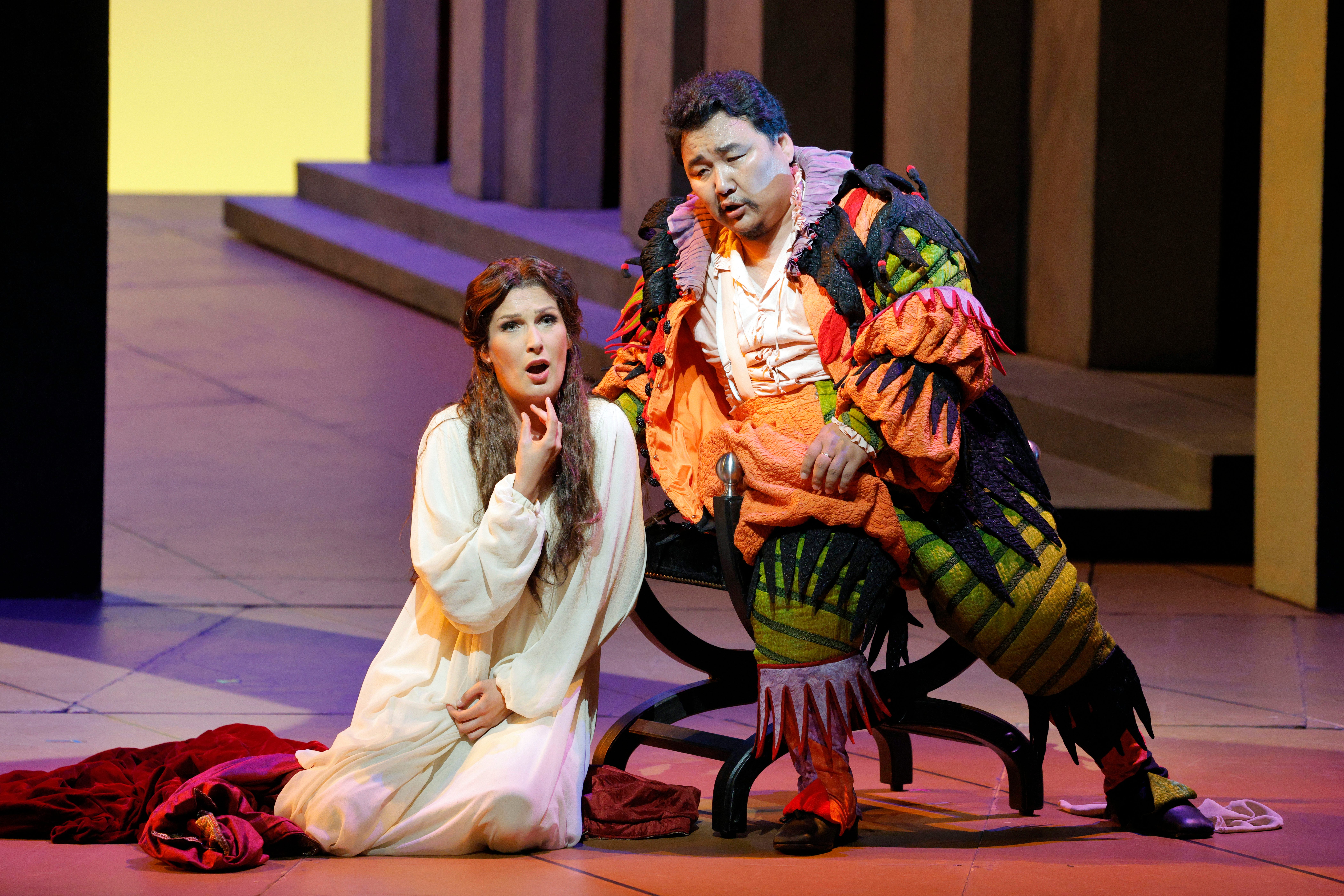
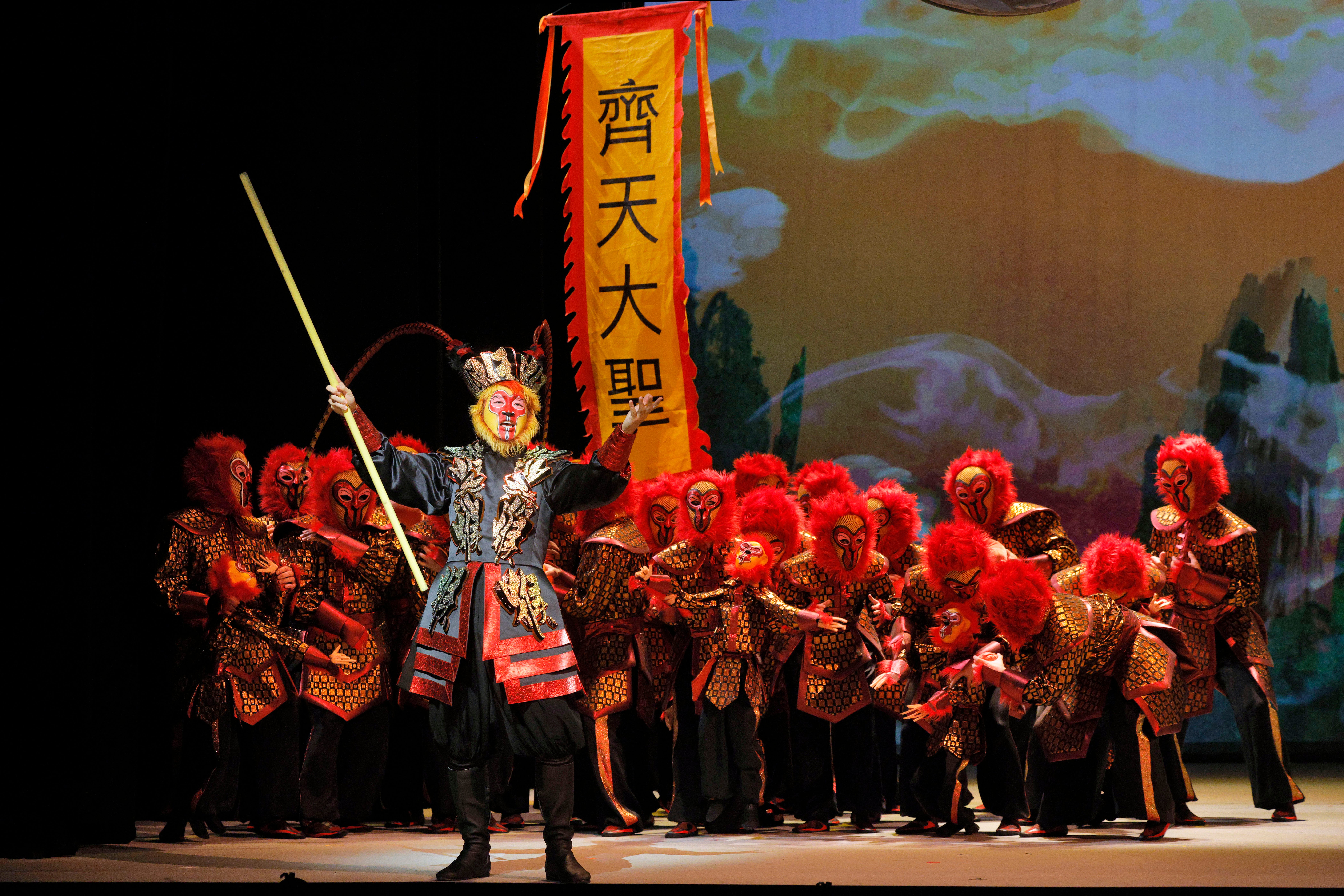
In the space of just three months, the Opera mounted phenomenal productions of Verdi’s Rigoletto, Jake Heggie and Terrence McNally’s Dead Man Walking on the 25th anniversary of its commissioned world premiere in San Francisco, Wagner’s Parsifal, and Huang Ruo and David Henry Hwang’s The Monkey King — a contemporary classic, a future classic, and pillars of the Italian and German repertoire. All of them took the stage in just about flawless form, with thrilling casts, exciting stagecraft, and conducting by music director Eun Sun Kim that shone new light on the familiar masterpieces of the 19th century. That kind of consistency, even for the duration of half a season, is practically unheard of. But it happened; we were there.
In addition to that operatic tetralogy, these 12 artistic events (in chronological order) helped brighten the year for me.
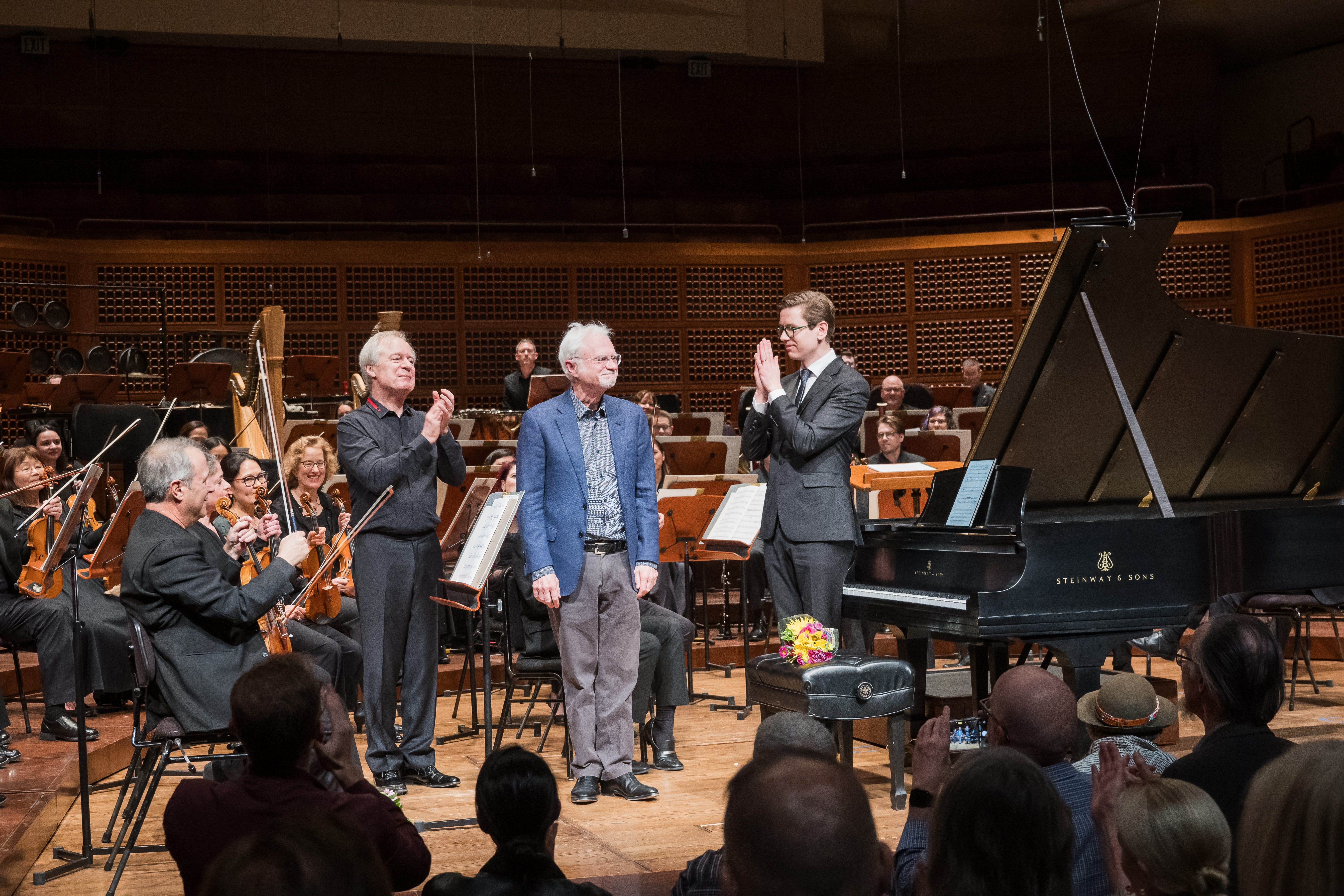
• John Adams, After the Fall (Jan. 16) This beautiful and gracefully elusive piano concerto had its commissioned world premiere in a performance featuring pianist Víkingur Ólafsson and David Robertson conducting the San Francisco Symphony. I still don’t quite understand what it was about, but the piece has a powerful charm.
• Carla Kihlstedt, 26 Little Deaths (Jan. 29) Against all odds, this song cycle by the violinist/vocalist/composer Carla Kihlstedt, based on the Edward Gorey classic The Gashlycrumb Tinies, made the deaths of small children seem funny, poignant, and utterly irresistible. It’s a dark, celebratory masterpiece.
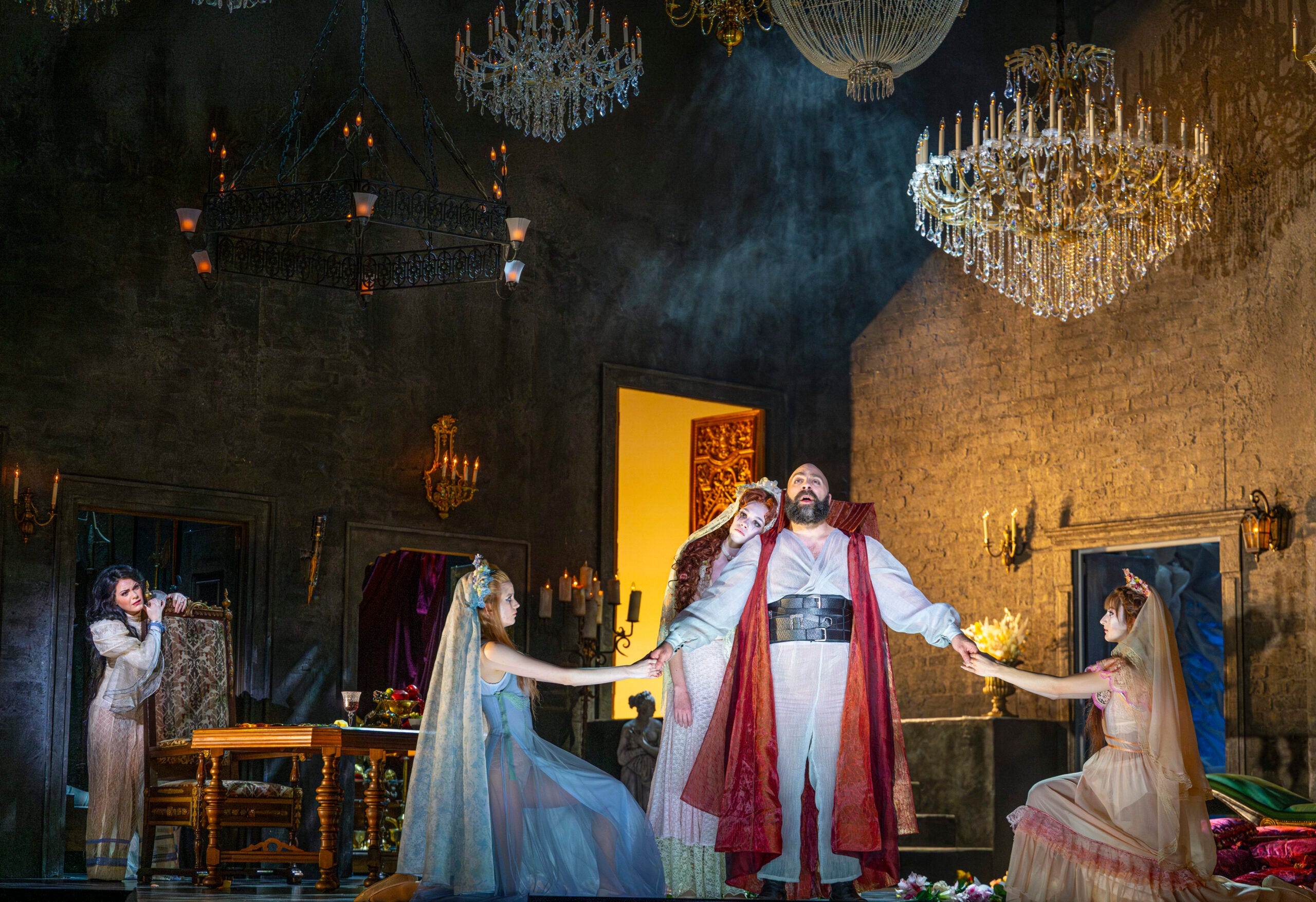
• Bluebeard’s Castle (Feb. 15) In a gripping production at Opera San José of Bartók’s only opera, director Shawna Lucey dexterously upended the piece’s dubious sexual politics while allowing its musical and dramatic genius to blaze forth.
• Uncle Vanya (Feb. 20) Hugh Bonneville’s virtuoso performance in the title role of Chekhov’s rueful comedy was the starry axis on which the brilliant production at Berkeley Rep turned. But he was joined by a fine ensemble cast that brought out all the play’s nuances.
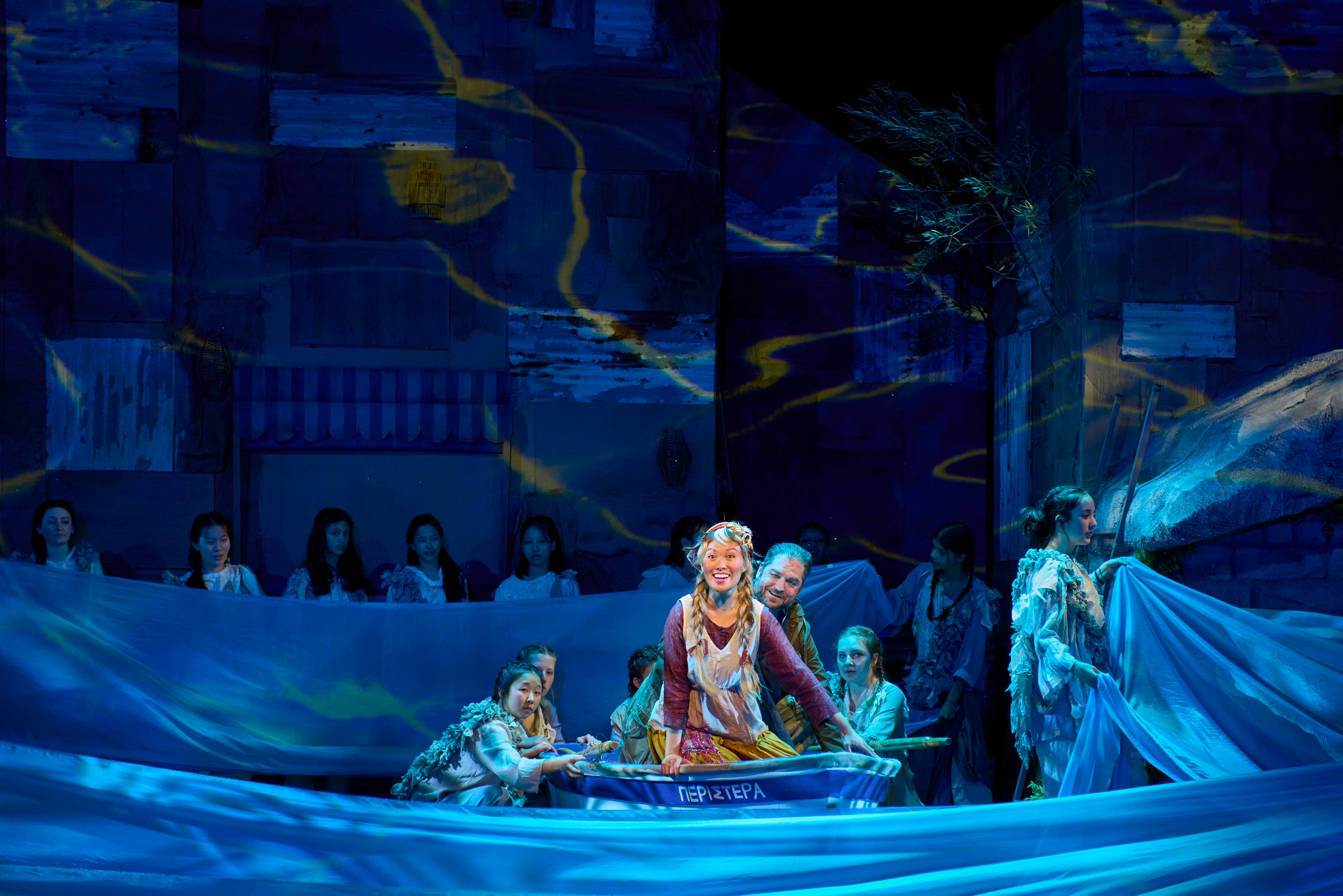
• The Pigeon Keeper (March 7) Opera Parallèle premiered a superb new chamber opera by composer David Hanlon and librettist Stephanie Fleischmann, a fable about community and xenophobia and loss that unfolded in the shimmery musical colors of an enchanted island.
• The Great Yes, The Great No (March 14) The latest multimedia circus from the unclassifiable artist and impresario William Kentridge, presented by Cal Performances, followed a ship of refugees — some historical, some not — into an ebullient exploration of colonialism, poetry, music, and the great swirling flow of history.
• Esa-Pekka Salonen’s farewell (June 12) For his final concert with the San Francisco Symphony as its music director (and perhaps ever) Salonen led a vividly incendiary performance of Mahler’s Second Symphony.
• Dolores (Aug. 10) In its commissioned world premiere at West Edge Opera, composer Nicolás Lell Benavides and Marella Martin Koch’s operatic depiction of labor leader Dolores Huerta expanded to create a gripping tour of the farmworkers’ movement of the 1960s, including portraits of Cesar Chavez, Larry Itliong, Robert F. Kennedy, and “Tricky Dick” Nixon.
• Samuel Adams (Oct. 5, Oct. 17, and Nov. 16) Three separate concerts this fall by three different Bay Area music organizations kept this inventive composer’s works before the public. Some of it was exquisite, some less so, but the cumulative effect was to illuminate an endlessly inventive and expressive creative voice.
• Poiesis Quartet (Nov. 9) The chamber music world has been abuzz about this young Cincinnati string quartet, and its recital at Noe Music showed why. In a program dominated by young and relatively unknown composers, the group displayed a wonderful combination of vigor, tenderness, and commitment.
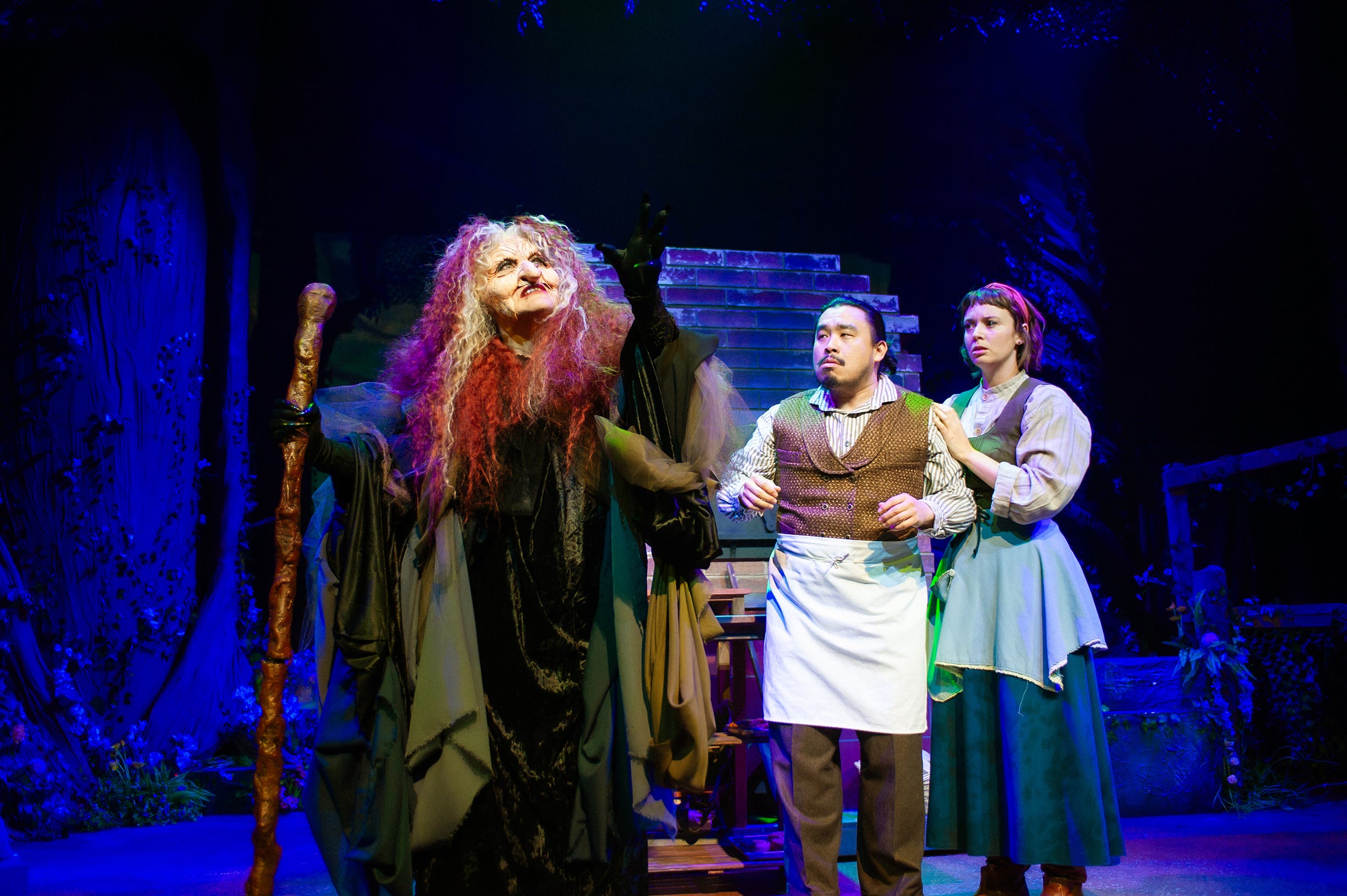
• Stephen Sondheim week (Nov. 23 and 30) One of those occasional caprices of the scheduling gods brought us excellent back-to-back productions of Sunday in the Park With George at Shotgun Players and Into the Woods at San Francisco Playhouse. I’m far less persuaded in general by the former work than the latter, but both productions boasted fine casts, crisply detailed stage directions and sensitive musical leadership.
• The Holdfast (Dec. 5) In its U.S. premiere by the Philharmonia Baroque Orchestra & Chorale conducted by Valérie Saint-Agathe, Caroline Shaw’s bleak and beautiful setting of Thomas Hardy’s poetry was a reminder of how much is possible with period instruments in the contemporary world.
Cryptic clue of the week
From Out of Left Field #298 by Henri Picciotto and me, sent to subscribers last Thursday:
In recession, ten working with a slightly smaller group? (5)
Last week’s clue:
Columbus, in essence, was about trade (8)
Solution: BUSINESS
ColumBUS IN ESSence: where the answer is hidden
was about: conceals
trade: definition
Coming up
Not much to speak of, really. The end-of-the-year lull is fully upon us, so join me in lighting a fire, brewing up a hot toddy, and pulling a blanket over your legs. We’ll talk again next year.
I want to mention conductors Carolyn Kuan (The Monkey King") and Patrick Summers (Dead Man Walking) for their contributions to SFO's fall season. For anyone looking for musical performances, Kitka's annual Wintersongs concerts are all about their new album. Chanticleer also has a lovely program.
great read. I've quoted you on Facebook (v briefly from your lead paragraph). thanks for the reminder on Pigeon Keeper. As to MONKEY KING, I stood and clapped as hard as anyone in the hall but have come to have second thoughts. Was it the (over the top) production values and stage business? could the music survive a stripped down production (looking towards Nicole Paiment)? The earlier Chinese-subject operas--Dr. Sun Yat-Sen and Dream of the Red Chamber--don't seem to have made it into standard repertory (as Dead Man has)...or have they? (gotta say, MK did send me to read the Diamond Sutra--so now I'm thoroughly confused....)